

Quentin Tarantino is renowned for his unique style, blending cinematic references, impactful dialogues, and precisely choreographed action scenes. He stands out particularly for his ability to draw inspiration from diverse cultures, especially Japanese culture. Kill Bill is the perfect example, where the influence of Japanese cinema, particularly samurai films, and martial arts is omnipresent. Tarantino draws inspiration from the aesthetics of sword and kung-fu films while reinterpreting these codes through his modern and Western vision.
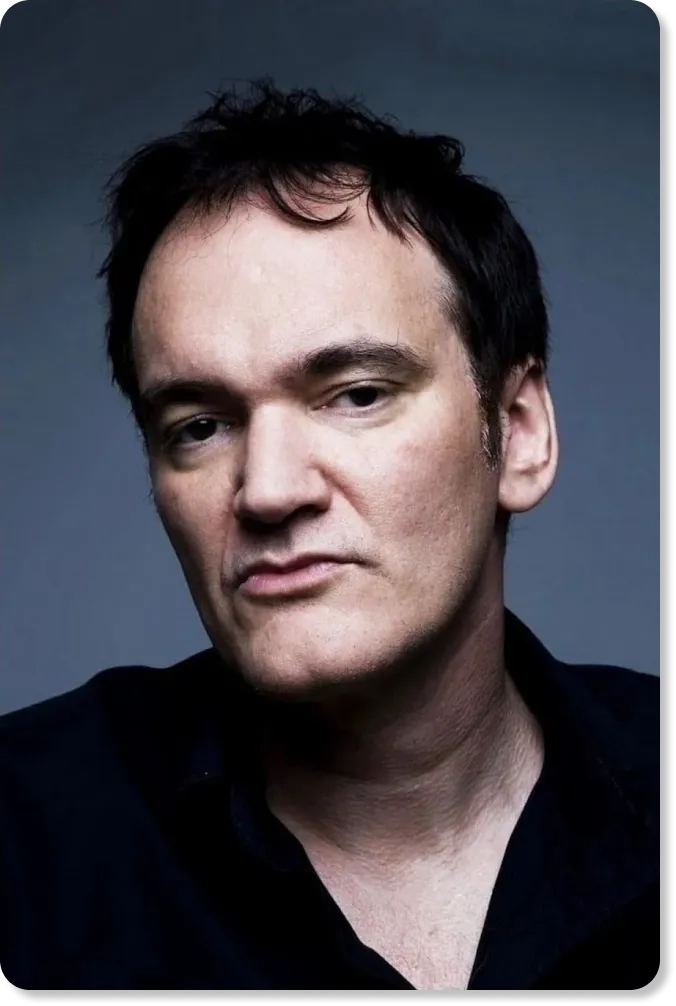
"In Kill Bill, the use of the katana pays homage to samurai cinema, a popular genre in Japan from the 1950s to the 1970s, with directors such as Akira Kurosawa. The katana, the emblematic weapon of the samurai, is central to the plot, symbolizing both revenge and honor. The character of O-Ren Ishii, played by Lucy Liu, perfectly embodies this influence, being a gang leader who wields the katana with mastery reminiscent of the samurai while adding a modern touch with her fighting style."
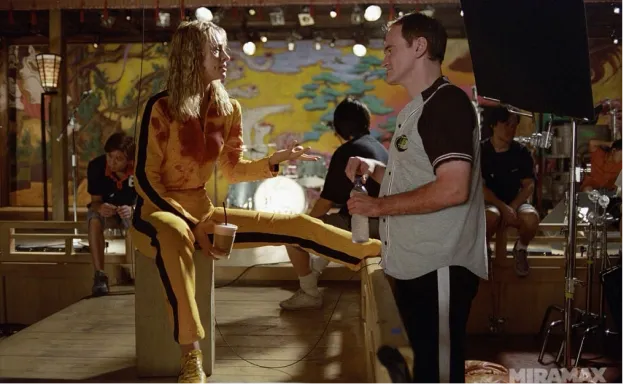
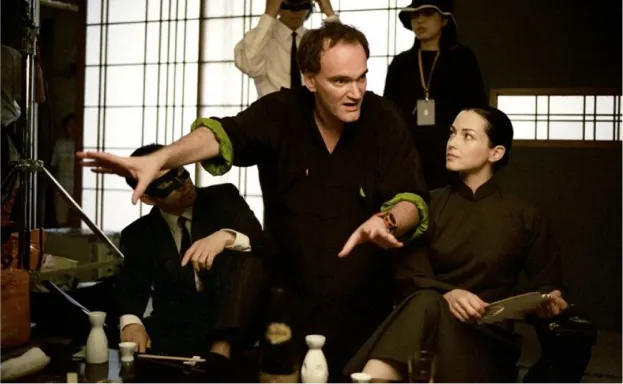
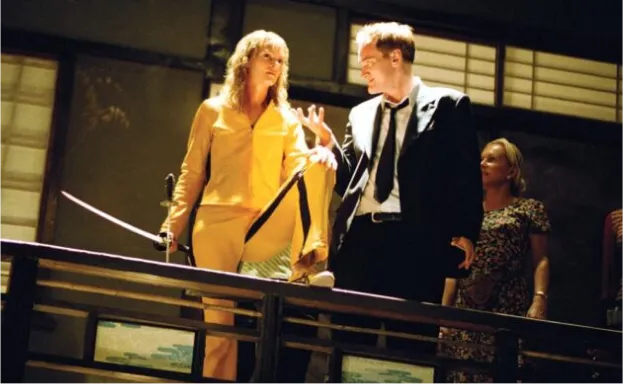
Tarantino, an enthusiast of Asian cinema, has always incorporated Japanese elements into his films. For instance, in *Pulp Fiction*, the character Mia Wallace sports a hairstyle inspired by manga heroines. With *Kill Bill*, Tarantino takes it further by blending the visual style of *chanbara* (sword-fighting films) with ultra-stylized modern combat scenes.
This mix of Japanese tradition and modernity is what makes Tarantino so unique. He doesn’t just copy Japanese classics but reinvents them in a Western context while respecting their core principles. For example, the scene where Beatrix Kiddo (Uma Thurman) faces an army of fighters with a katana in a setting inspired by Japanese films is a direct nod to samurai films, both in choreography and aesthetics.
Through his films, Tarantino demonstrates how traditional objects like the katana can be reintroduced into modern popular culture while preserving their symbolic significance.

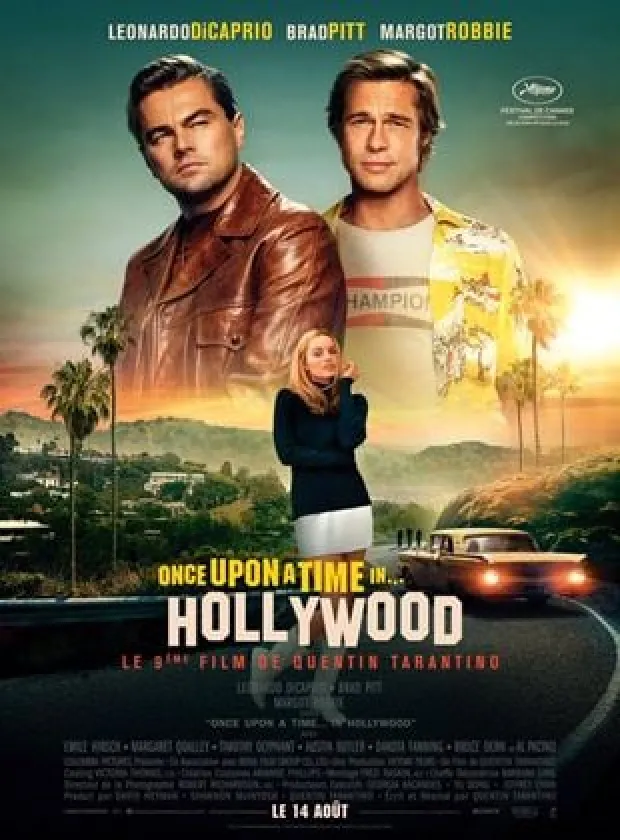
*Once Upon a Time in Hollywood* follows Rick Dalton, a declining Western actor, and his stuntman Cliff Booth, as they try to revive their careers in 1960s Hollywood. The film blends fiction and reality, particularly the Manson family murders, offering an alternate history and a reflection on Hollywood's evolution.
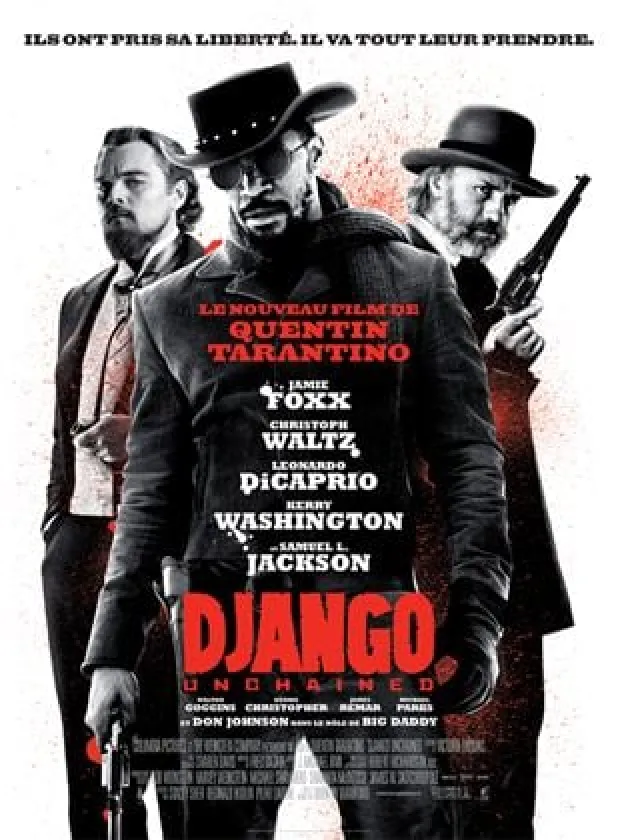
*Django Unchained* follows Django, a freed slave, who teams up with Dr. King Schultz, a bounty hunter, to find his wife Broomhilda, held captive by the cruel Calvin Candie. The film addresses themes of slavery, vengeance, and justice, featuring Tarantino's trademark action and dialogue.
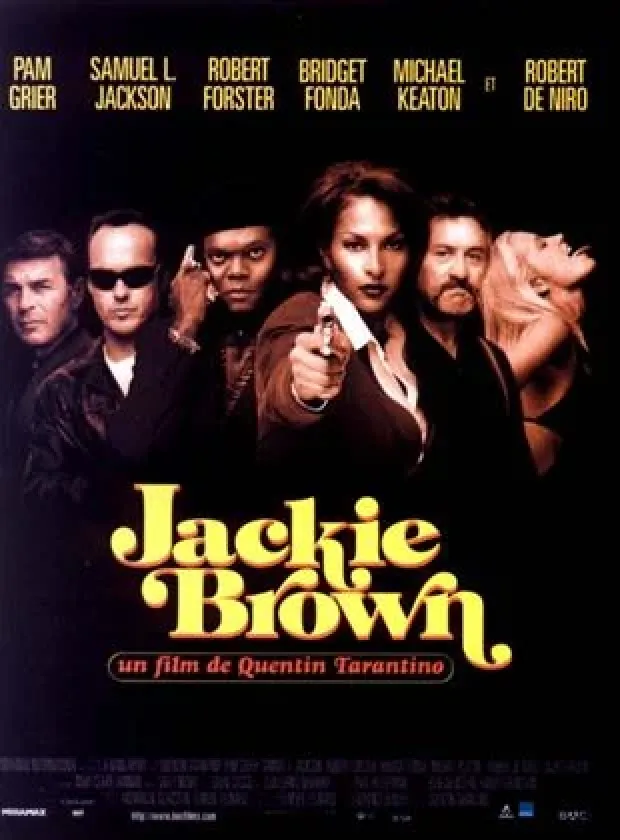
*Jackie Brown* follows Jackie Brown, a flight attendant accused of fraud, who devises a plan to escape a money-smuggling scheme involving an arms dealer and the police. The film explores betrayal and survival with Tarantino's distinctive style, adapted from Elmore Leonard's novel.